
Island Sketches
Four islands you will not find in the Lake District

Places feel different on repeated journeys. New features emerge, the roads reveal their textures, and there’s no mistaking the moods of the weather. My new commute is a route I know well, but it feels different now. Spending time makes a space to pass through into a place you can be.
The greatest delight, though, is seeing four of the Lake District’s lakes. As I’ve driven, I’ve been cooking up fantastical - and false - islands one might encounter. This week, I present four of my faves.
Goat Isle, Bassenthwaite Lake
Off the lake’s northern shore is a small, mossy isle often mistaken for a half-drowned boulder come down from Skiddaw. It’s bushy with goat willow trees so, in Spring, its shoreline turns silver with fluffy catkins, a thousand shipwrecked caterpillars. One year, a particularly rare strain of greylag geese nested on the isle. For seasons after, intrepid zoologists kayaked out to see if they had returned. The geese were never found again, and funding cuts mean that’s unlikely to change. (Probably, locals say, to the geese’s delight.) When a great lake-cloud forms in the valley, Goat Isle disappears entirely.
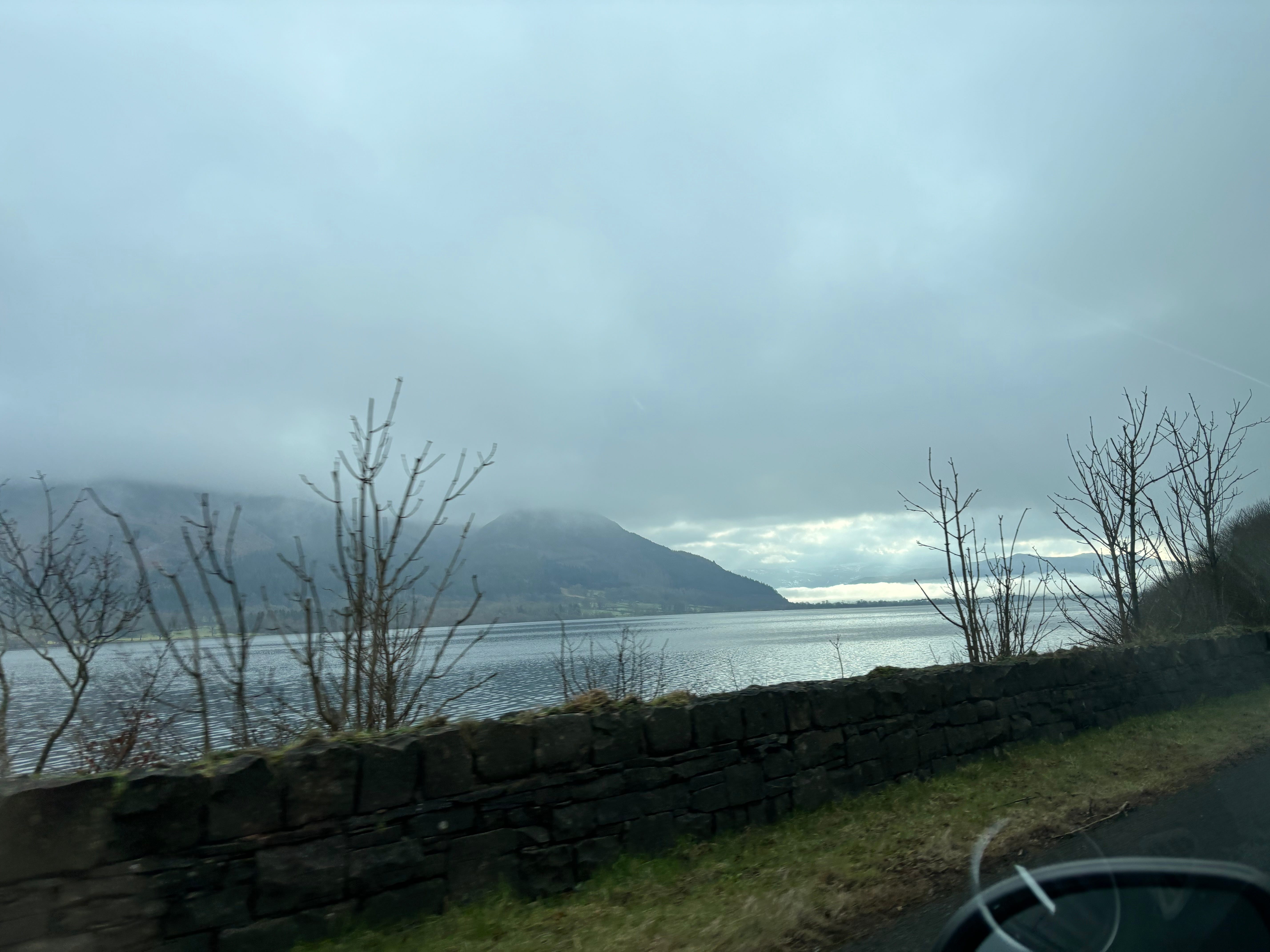
Convent Island, Derwentwater
At Derwentwater’s heart lies a tear-drop of ground covered in a thick forest of deciduous trees. Their trunks bear the scars of pollarding, though you wouldn’t know from land. In winter, maybe, through dwindling leaves, an observer on the shore might make out the craggy walls of a ruin within the trees. This was the Convent of the Sisters of St Herbert. Archaeologists believe it once housed up to fourteen sisters, living off pike caught from the waters and vegetables grown in a humble garden. During the dissolution, the sisters threw large rocks at the boats of bailiffs sent to strip the convent of its modest wealth. Their anti-siege was successful for a time. In the 1990s, the ruins hosted illegal raves, with music loud enough to be heard from Blencathra. Attendees have described the experience as spiritual.
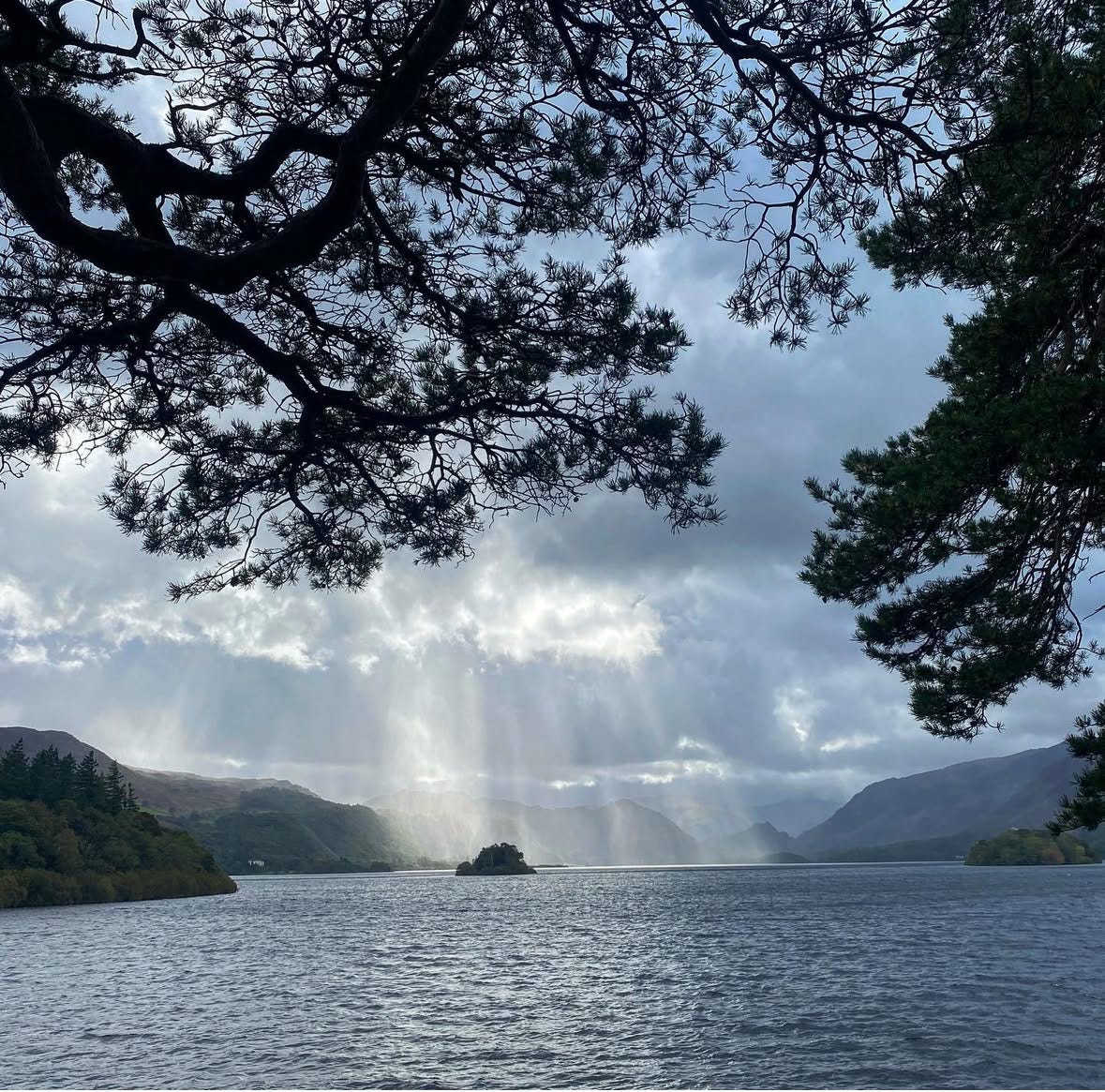
Spire Isle, Thirlmere
At first glance, you would not think much of Spire Isle. It is a medium sized island of the type commonly found in Cumbria: a nestle of trees, a craggy shore, and mossy rocks that dribble water like a thirsty man’s beard. Yet Thirlmere is a reservoir. It is said that, following the valley’s flooding, workers for the Manchester Corporation arrived one morning to find the isle floating where it had not been the night before. Its location off the southern shore means, when the very edges of the lake freeze, local people skate out to have frosty picnics on the rocks. The name, Spire Isle, comes from the rumour that it formed around the tower of a drowned church.
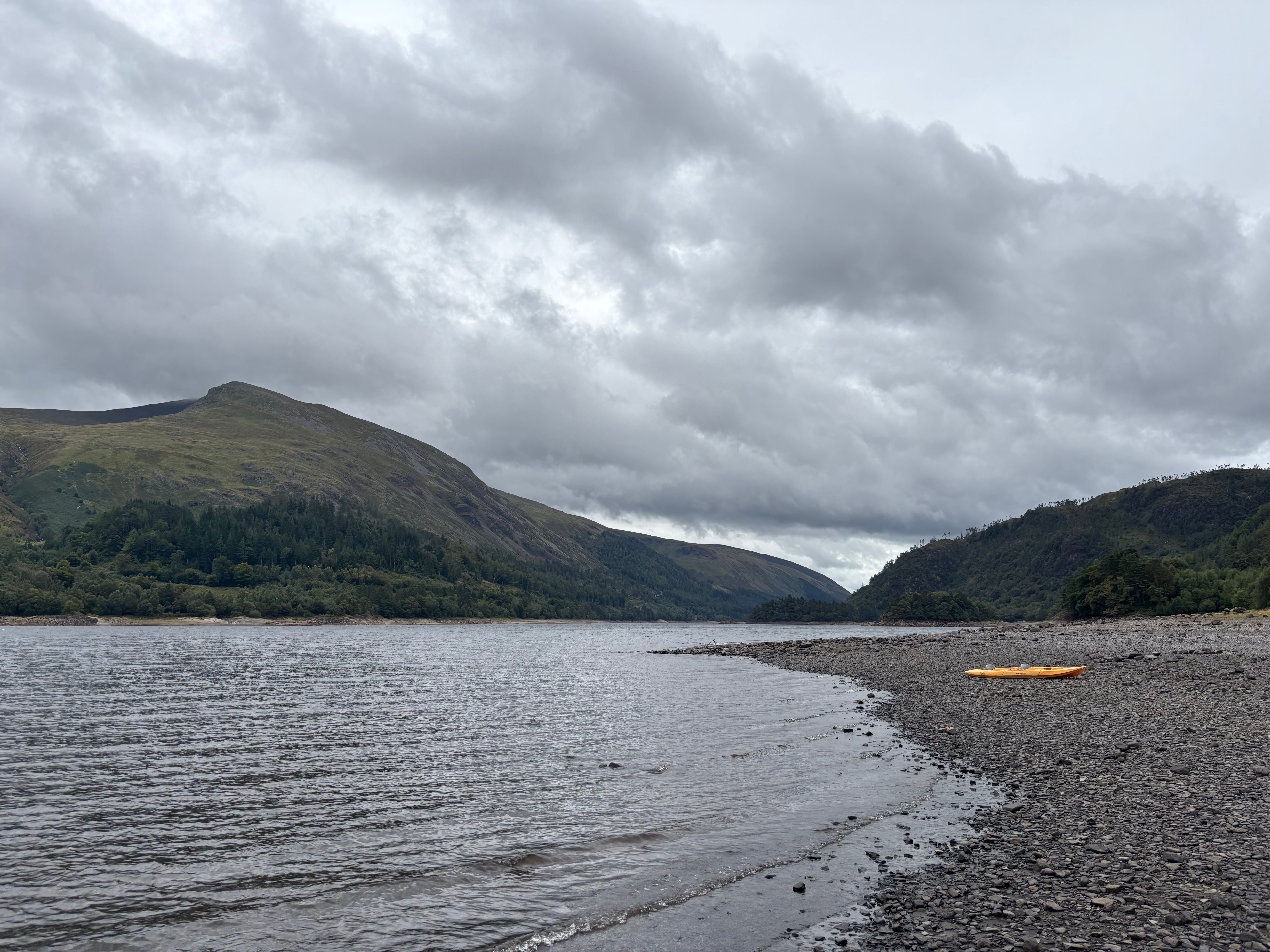
Poets’ Republic, Grasmere
The smallest of these four lakes houses two islands. The lesser is known as Poets’ Republic. Tourists often assume this name honours the Lake Poets: the Wordsworths, Coleridge, and Barliman. In fact, it refers to Margery Poets, a likely fictional sixteenth century woman. Local stories tell that Poets, consumed by debt following her husband’s arrest, sought asylum on the isle to avoid further repercussions. Now, each year on Margery Day, a small contingent from the Grasmere Margery Society (GMS) host a sponsored excursion to the island by paddle-board. Last year, they raised over £200 for a local women and children’s shelter.
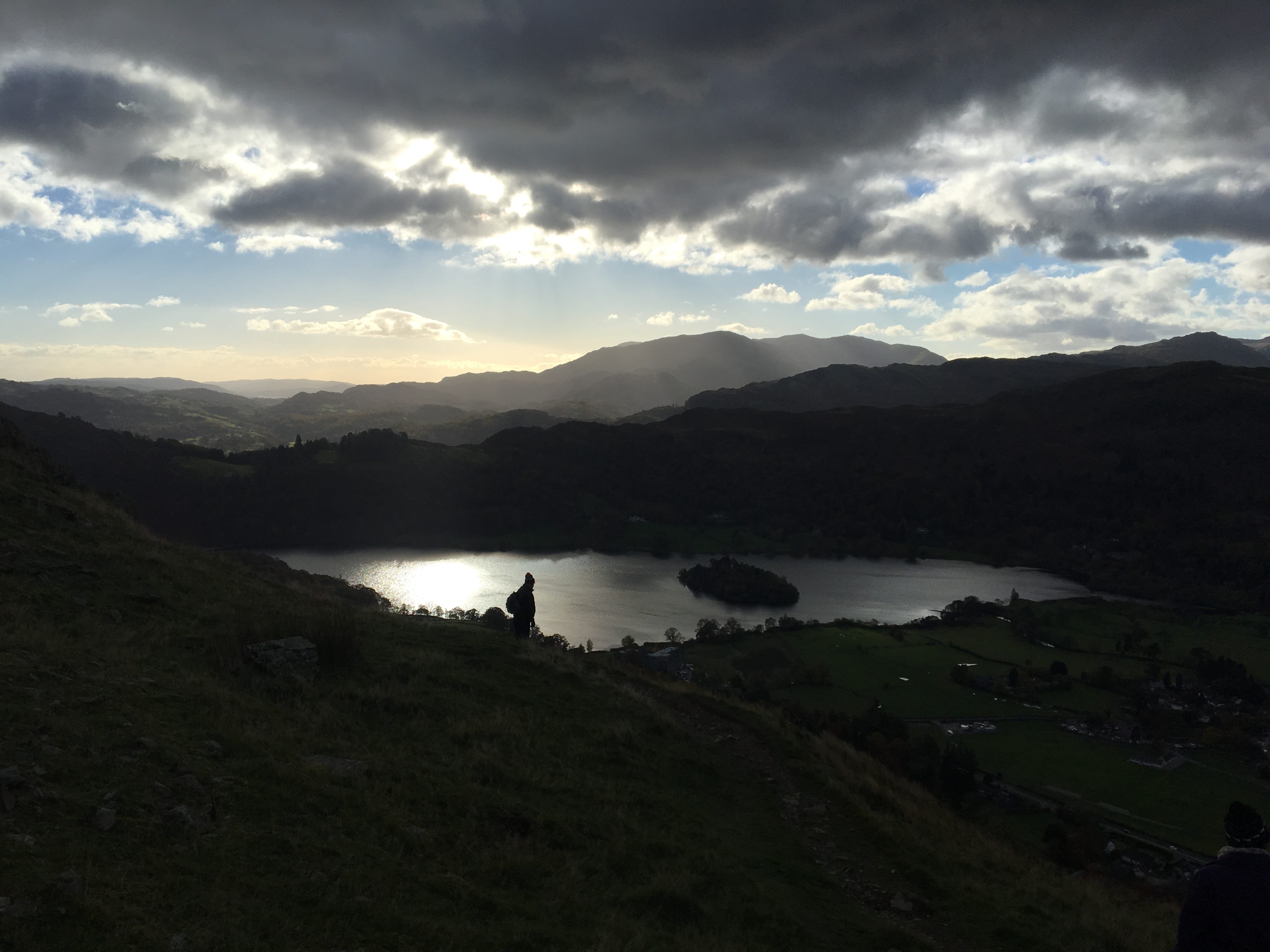
This is Limpet Bay’s first excursion into fiction. I hope I’ll do it again some day.
I have in my drafts an essay on a true medieval love story that took place on an actual island on Derwentwater, written for a magazine that never ended up getting back to me. I’ll have to find a new home for it one day.